Writing Successful Key Staff Summaries for Your Next RFP
A key staff summary names the people who will do the work and proves they are qualified - and naming them is usually a contractual commitment, not a suggestion. Here's what the section must contain, what you are promising when you write it, and how to lay it out so it scores.
A key staff summary is the section of a proposal that names the specific people who will do the work and shows they are qualified for the roles you have assigned them. It matters more than most bidders realize: naming someone as key personnel is usually a contractual commitment, not a suggestion. Many public contracts carry clauses requiring the buyer's written consent before you can replace a named person, so the section is both a scored qualification and a promise you will have to keep.
What Does a Key Staff Summary Have to Contain?
Whatever the solicitation asks for, first and exactly. Most require some combination of these, and the safest structure is a short table of the required facts followed by a brief narrative:
- Name and proposed role. The role title as the solicitation words it, not your internal job title - if they ask for a Project Manager, do not offer an Engagement Lead.
- Years of relevant experience. Stated as a number where a minimum is specified, because an evaluator checking compliance is looking for the number.
- Education and credentials. Degrees, licenses and certifications, with the issuing body and current status where it matters.
- Relevant project history. Two or three projects comparable in scope and scale, with their role on each stated explicitly.
- Commitment level. The percentage of time they will spend on this contract. Increasingly requested, and revealing when omitted.
- Location. Where they will work from, when the scope has an onsite or regional requirement.
What Does Naming Someone as Key Personnel Commit You To?
More than most bidders expect. Federal agencies routinely include key personnel clauses in service contracts, and they are binding. The Department of Health and Human Services clause is representative: it requires the contractor to notify the contracting officer at least 30 days before voluntarily diverting any named individual to other work, states that the contractor "shall not divert, replace, or announce any such change to key personnel without the written consent of the Contracting Officer," and requires a justification identifying the proposed replacement and explaining how their skills, experience and credentials meet or exceed the contract's requirements. Where someone leaves involuntarily or with short notice, the contractor must give as much notice as practicable. Other agencies use similar clauses of their own. The practical consequence is simple: do not name a person you cannot actually supply. Treat the staffing section as part of your compliance obligations rather than as marketing.
Your next RFP is one search away.Search Bid BananaHow Do You Write a Bio That Scores?
Write toward the requirement rather than toward the person. A bio assembled from a resume tends to be chronological and complete; a bio written to be scored is selective and matched. If the solicitation asks for five years of experience managing projects of comparable scale, the first line should establish that, with a named project, its scale and this person's role on it. Cut anything that does not connect to this scope - a school board seat is genuinely relevant to an education bid and pure noise in an engineering one. Where you have room, one specific achievement with a number attached does more than a paragraph of adjectives. Bios, credentials and org charts are exactly the material worth keeping in a maintained RFP content library, since they go stale between bids and nobody notices until a deadline.
Should You Include Headshots and an Org Chart?
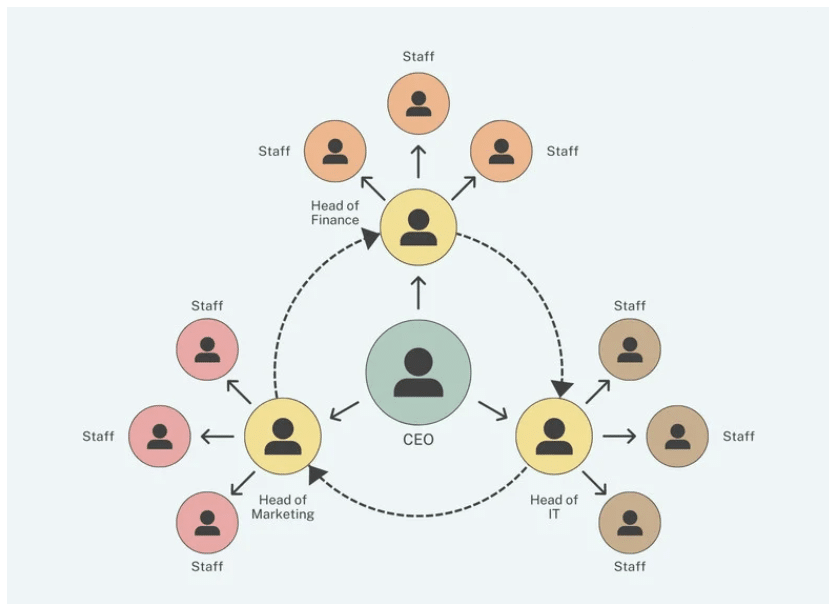
An org chart nearly always earns its space; headshots depend. A chart showing reporting lines, who leads, who supports and where subcontractors sit answers questions that are laborious to answer in prose, and it makes the staffing plan legible at a glance. Include it if the solicitation permits graphics and check whether it counts against page limits. Headshots are more marginal - they consume space, add nothing scoreable, and can raise questions about consistency if you have them for some people and not others. If you use them, use them for everyone, keep them small and professional, and never let them displace required content.
How Should the Section Be Laid Out?
Identically for every person. Whatever structure you use for the first staff member sets the pattern, and an evaluator scoring six bios against the same criteria will find inconsistency actively irritating - and easy to mark down. Lead with name and role, put the required facts where they can be found without hunting, and keep each narrative to the same rough length. Where a solicitation lists specific required elements, a small table per person is the most reliable format, because a table makes an omission visible to you before it becomes visible to them.
| Field | What a strong entry states | What the evaluator is checking |
|---|---|---|
| Name and proposed role | The role title exactly as the solicitation words it | That you are offering the role they asked for |
| Relevant experience | A number of years, tied to comparable work | Compliance against any stated minimum |
| Education and credentials | Degree, licensing body and current status | That licensure has not lapsed |
| Comparable projects | Two or three, named, with scale and their role | That the experience is at this scale, not just in this field |
| Commitment | A percentage of time, for a stated duration | Whether the availability claim is realistic |
| Location | Where they work from, if the scope is onsite | Any onsite or regional requirement |
What Should You Check Before Submitting?
- That every named person knows they are named. And has agreed to the commitment percentage you stated.
- That credentials are current. Licenses and certifications expire, and a lapsed one in a bio is worse than no bio.
- That the org chart matches the bios. They are edited separately and drift apart constantly.
- That nobody appears at more than 100 percent. Commitment percentages across concurrent bids add up, and evaluators do check.
- That someone outside the team read it. Writing about colleagues makes it hard to see what is missing; a structured proofread catches what familiarity hides.
See What Staffing Requirements Look Like
Key staff requirements vary widely by agency and scope, and reading live solicitations is the fastest way to see what yours will ask for. Browse active RFPs on Bid Banana.
Frequently asked questions
What is a key staff summary in an RFP?▼
It is the section naming the specific people who will perform the work and showing they are qualified for their assigned roles. It typically states each person's name and proposed role, years of relevant experience, education and credentials, comparable project history, commitment percentage and work location. It is both a scored qualification and, usually, a contractual commitment.
Does naming key personnel in a proposal commit you to using them?▼
Generally yes. Federal service contracts routinely include key personnel clauses requiring written consent from the contracting officer before a named individual is replaced. A representative clause requires 30 days notice before voluntarily diverting someone, plus a justification showing the replacement's skills and credentials meet or exceed the contract's requirements. Do not name people you cannot supply.
How do you write a key personnel bio for an RFP?▼
Write toward the requirement, not the person. A resume-derived bio is chronological and complete; a scoring bio is selective and matched. If five years managing comparable projects is required, establish that in the first line with a named project, its scale and their role. Cut anything unconnected to this scope, and prefer one specific achievement with a number over general praise.
Should an RFP key staff section include an org chart?▼
Almost always, if graphics are permitted. A chart showing reporting lines, the project lead, support roles and where subcontractors sit answers structural questions that are laborious to explain in prose. Check whether it counts against page limits. Headshots are more marginal - they earn no points and only work if used consistently for everyone at a small, professional size.
What should you check in a key staff section before submitting?▼
That every named person knows they are named and agreed to the stated commitment percentage; that licenses and certifications are current rather than lapsed; that the org chart still matches the bios, since the two drift apart when edited separately; that nobody is committed above 100 percent across concurrent bids; and that someone outside the team has read it.