RFP Glossary Guide to Bids and Proposals
A working glossary of the terms you actually meet in a bid document, grouped by where they appear in the process: bidding frameworks, request types, compliance language, project and cost vocabulary, contract vehicles and the government-specific terms layered on top.

This glossary defines the terms you will actually meet in a bid document - the frameworks buyers use to solicit work, the request types they issue, the compliance language that decides whether your proposal is read, the money and contract vocabulary attached to an award, and the government-specific terms layered on top. Definitions are grouped by where they appear in the bidding process rather than alphabetically, so related terms sit together.
If you only need the acronyms decoded - RFP, RFQ, RFI, IFB, RFT and the government shorthand around them - our procurement acronym guide is the faster read. For how the stages fit together, see the request for proposal process.
RFP Glossary: A Guide to Bidding Frameworks
Everything starts once an organization decides to issue a request for bids and proposals.
Ideally, an issuer will find a vendor that can offer an advantageous balance of cost and performance. How can an issuer be sure that the vendor they want to select is a good match? Simple: they establish a process to request services from qualified companies. Once an organization selects a vendor to fulfill a need, they’ll usually sign a long-term business contract. These contracts can be incredibly lucrative, which means multiple competing vendors will submit proposals in a bid to win a contract with an organization.
Let’s take a look at a few popular methods issuers use to request and evaluate vendor bids.
What is Competitive Bidding?
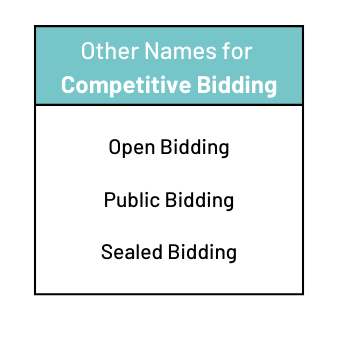
If your company’s leadership is ready to expand the business, they might be exploring the possibility of winning contracts through bidding. Competitive bidding is a process where multiple vendors submit an offer to provide services to an organization. The organization evaluates and chooses the winning bid by scoring each proposal according to that organization’s pre-determined criteria.
By pitting companies against each other, the organization encourages vendors to offer high-value services to the organization. By scoring vendors against their standard criteria, the organization can also ensure they can evaluate each offer fairly. So, let’s use this part of our RFP glossary guide to review competitive bidding frameworks.
What is BVP (Best Value Procurement)?
Cost is a significant criterion and often the most valuable aspect of a competitive bid. Oftentimes, however, procurements are evaluated according to their best overall value. A Best Value Procurement (BVP) uses a pre-determined method to evaluate proposals based on factors beyond just price. These factors can include quality, experience, and service. When making value-based selections, issuing entities typically do a more comprehensive evaluation to ensure a quality-based selection.
What is Sole Source Bidding?
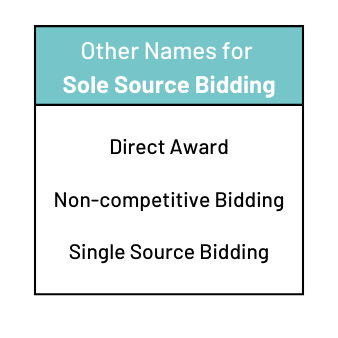
Sole Source bidding is a procurement method where the contract is awarded to a single vendor without a competitive bidding process, usually due to the vendor’s unique qualifications. Sole source procurements are justified when only one vendor can meet the organization’s needs. It’s rare for organizations to bypass the bidding process, but certain circumstances can call for a non-competitive bidding process.
RFP Glossary: A Guide to Proposals, Bidders, and Vendors
When an organization wants to kick off a proposal process, it will make a public solicitation for qualified organizations. Requesting proposals for services with a public solicitation signals the beginning of a lengthy bid process for vendors and bid issuers alike. It’s a process with many players and moving parts, so let’s break down the bare basics of bid proposals.
What is a Proposal?
We’re glad you asked. A bid proposal, or just bid or proposal for short, is a formal written document submitted by a bidding vendor in response to a solicitation (RFP, RFQ, etc.). Proposals are submissions that outline a vendor’s offer to fulfill solicited needs. Submissions are then evaluated to select the best solution for the project.
Proposals can vary by format, type, and industry– there’s a proposal flavor for every industry you can think of (and then some).
What is a Bidder or Vendor?
Any vendor can potentially become a bidder, and almost all bidders are vendors. Simply put, a vendor is a company, individual, or any other qualifying operational entity that provides goods or services to an organization. Vendors can choose to participate in a procurement solicitation by competing to win contracts.
A bidder is a vendor that submits a proposal in response to a solicitation. The goal of any participating bidder should be to demonstrate an ability to meet the needs outlined in the bid documents.
What is a PoC (Point of Contact)?
A Point of Contact (PoC) is the designated person within an organization who manages communications and inquiries related to the proposal process. This contact person acts as a liaison to ensure smooth and efficient communication. Both an issuing entity and a vendor will often designate a PoC to represent their respective organizations. It’s often through these contacts that we see the bid process begin to take shape.
But what does it mean for a bidding process to take shape? Well, let’s find out by introducing our first and most common formal acronym: RFPs.
What is a Request for Proposals (RFP)?
A Request for Proposals (RFP) is a formal document issued by an organization soliciting proposals from potential vendors to complete a specific project or provide a service. RFPs are commonly used in procurement processes across various industries to evaluate the capabilities and solutions of different vendors.
Here’s a simple breakdown of a common proposal process:
- Bidder Conference: A pre-bid meeting held by the issuing organization can help answer questions from potential vendors and provide additional information about the solicitation. Bidder conferences are also sometimes called Vendor Conferences or Proposal Conferences.
- Proposal Submission: Vendors begin submitting successful proposal responses before the required deadline. Successful submissions require the delivery of the completed proposal or offer to the issuing organization following specified guidelines.
- Deadline: The final due date and time by which a proposal or response must be submitted. Adhering to the submission deadline (before the closing date!) is crucial for the vendor to be considered in the selection process.
- Bid Opening: Often conducted in a formal setting, this step usually sees a public proposal opening and reading of bid submissions received by the organization.
- Award: After evaluating all submitted proposals, the entity will award the contract to the bid that best meets the criteria set forth in the solicitation. Awarding a bid is the act of selecting a winning proposal and granting the contract award to the chosen vendor.
RFPs usually consider various evaluation criteria, including technical approach, experience, and quality. As you’ll come to learn, entities can issue a wide variety of solicitations to suit their needs.
What is a No-Bid Decision?
There’s no law that says a vendor must submit a proposal response. A no-bid decision is a vendor’s decision not to submit a proposal in response to a solicitation. No-bid decisions may occur for various reasons, such as previous commitments or resource constraints. When vendors decline to bid, they should take care that they are in a position to request a bid withdrawal.
RFP Glossary: A Guide for Proposal Request Types
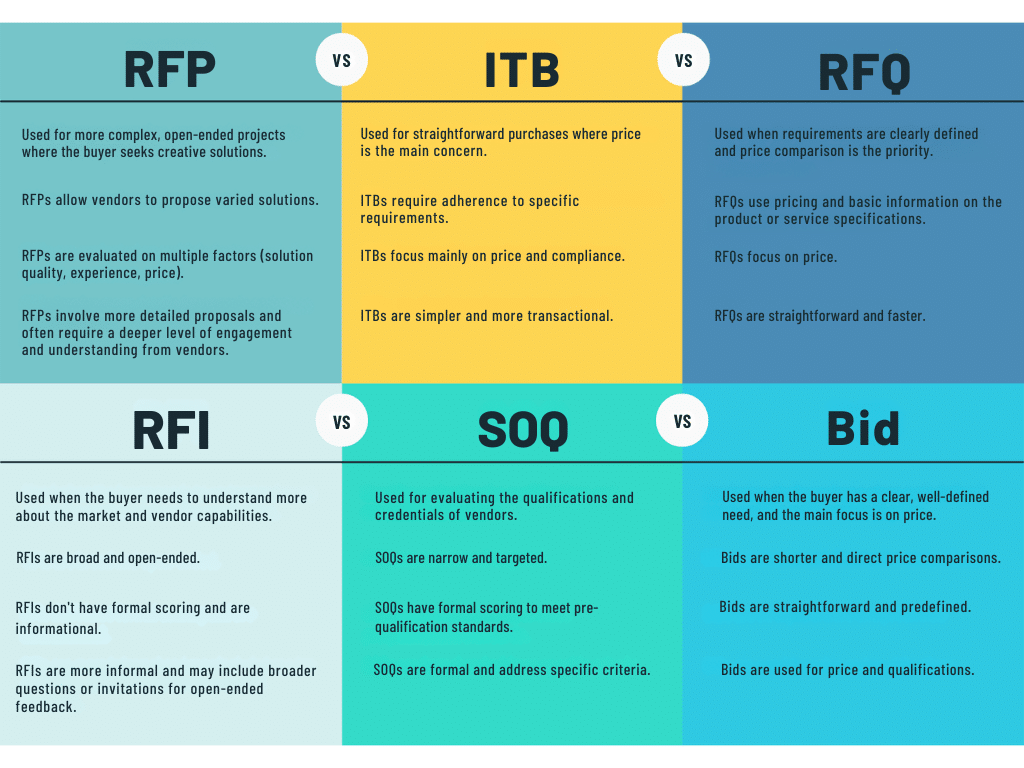
Ready for some industry jargon?
Most of the following terms are associated with different kinds of contract bidding, proposal submissions, and document bids. Some are obviously different, while others may seem downright pedantic.
However, it’s important to know the distinctions between different solicitations. Competitive bidding is like a mashup of Shark Tank and Survivor: to succeed and catch the eye of a huge investor, you’ll have to outwit, outplay, and outlast your industry competition. The more industry acronyms you know, the more your proposals will be able to grow. Just try to avoid using jargon in your own proposal.
So, let’s take a quick look at this alphabet soup of documents, responses, and solicitations.
What is a Capability Statement?
A capability statement is a document highlighting the vendor’s qualifications, experience, and company capabilities. This competency statement describes the vendor’s ability to perform the requested services. This statement demonstrates the vendor’s competency and suitability for the project. It’s a more promotional way to present the vendor’s background information.
What is a White Paper?
A white paper is an authoritative report or guide submitted by vendors to inform the organization about a complex issue and present the vendor’s proposed solution. White papers are used to demonstrate expertise and provide detailed insights into the proposed approach.
What is an ITB (Invitation to Bid)?
An Invitation to Bid (ITB) is a formal invitation issued by an organization inviting vendors to submit bids for a specific project or service. ITBs focus on cost and are used in procurement processes where price is the primary evaluation criterion. Like RFPs, ITBs solicit responses from vendors.
What is a PQQ (Pre-Qualification Questionnaire)?
A Pre-Qualification Questionnaire (PQQ) is a document used to pre-qualify vendors based on their capabilities and experience. PQQs are preliminary assessments used to shortlist vendors before issuing an RFP. This vendor prequalification document can also be a pre-selection questionnaire; it is more focused on qualifications and experience than on detailed solutions.
What is a SoQ (Statement of Qualifications)?
A Statement of Qualifications (SoQ) is a document submitted by vendors outlining their qualifications, experience, and capability to perform the work specified in the solicitation. An SOQ helps the organization pre-qualify vendors before issuing a detailed solicitation.
What is a RFA (Request for Application)?
A Request for Application (RFA) is a solicitation notice in which an organization announces that grant funding is available. RFAs typically focus more on a specific research or project funding opportunity than they do services or product solicitation; they are more common among non-profits, research, and academic organizations.
What is a RFI (Request for Information)?
A Request for Information (RFI) is issued before a formal RFP or RFQ to gather information about potential vendors and their capabilities. Sometimes known as “sources sought notices,” RFIs are exploratory documents that help organizations understand the market and refine their requirements. They also do not request detailed proposal responses or pricing that are otherwise common in RFPs.
What is a RFQ (Request for Quotation)?
A Request for Quotations (RFQ) document requests price quotes for specific products or services. RFQs are typically simpler and shorter than their RFP counterparts and are primarily concerned with evaluating prices instead of more extensive criteria of factors when making purchasing decisions.
What is a RFT (Request for Tender)?
A Request for Tender (RFT) is a formal solicitation in which the requester specifies all project requirements and solicits a price from respondents. Also referred to as Public Tenders or Invitation to Tenders (ITT), RFTs are typically used in the public sector for large, complex projects. They often have more detailed and specific requirements and focus on both price and compliance with technical specifications.
What is an EOI (Expression of Interest)?
An Expression of Interest (EOI) is a preliminary document vendors submit to indicate their interest in participating in the procurement process. An EOI helps the organization gauge the level of interest and capability among potential vendors before issuing a formal solicitation. EOIs are similar to Letters of Interest.
What is a LOI (Letter of Intent)?
A Letter of Intent (LOI) is a document indicating a vendor’s intention to bid. Similar to an Expression of Interest (EOI), a LOI is a formal way for prospective vendors to communicate their plan to submit a response or bid to an RFP. LOIs are sometimes referred to as Letters of Commitment or Pre-Contract Agreements. In contract terms, a LOI is a document outlining the understanding between two or more parties that they intend to formalize in a legally binding agreement.
RFP Glossary: A Guide to Compliance Issues
Checking minor document details again and again can be mind-numbing, but it’s not in vain. Why? Because you’re checking for compliance.
Submitting a compliant proposal response is a very big deal. For a response to be considered compliant, a proposal needs to meet certain specified standards, regulations, or criteria set by the issuing organization. A response submitted by a vendor that isn’t compliant won’t advance in the evaluation process. So, when developing responses and contract bid proposals, you should be aware of several types of standard compliance standards and regulations.
What are Submission Requirements?
Issuers have submission requirements. Vendors that submit proposals must adhere to those requirements if they want to advance in the proposal process. With this in mind, vendors should write a response with these guidelines in mind. Submission requirements can include guidelines for content, formatting, technical specifications, legal agreements and delivery methods. Any requirements will be stated clearly in the bid documents.
What are Bid Solicitation Documents?
Bid solicitation documents are all documents provided to the bidder for the purpose of completing a bid to procure work, services or materials. Should the issuer decide to add or clarify new requirements after releasing their initial solicitation, the bid solicitation documents expand to include those additional clarifications and amendments.
What are Clarifications and Amendments?
A formal change or addition to the original solicitation documents. Amendments can include corrections, modifications, or updates to the scope, terms, or requirements of the solicitation.
What are Legal Requirements?
Legal requirements are the required rules and laws that vendors need to follow during the buying process and while carrying out a project. No issuer wants to hire a vendor that will cause legal headaches down the road.
What is a Proposal Format?
A proposal format is the general organization, structure, and presentation of a vendor’s proposal document. This setup helps keep things consistent, making it easier for evaluators to review and compare different proposals.
Formatting requirements are usually mandated by the bid documents. Non-compliance can cause a proposal response to be tossed into the garbage. But working within formatting guidelines doesn’t mean your RFP can’t look good. It’s a little more challenging, but finished RFPs can (and should!) have some brand style or flair.
What are Technical Specifications?
Technical specifications are detailed technical requirements and standards that the proposed solution must meet. Vendors provide technical specifications about their solutions to make sure that the solution works with the issuer’s needs and goals.
RFP Glossary: A Guide to Introducing Your Company
Your proposal is likely your first introduction to the company that is soliciting your services. Many vendors find that this is the hardest part of writing a bid. While first impressions are important, you don’t need to stress about what to include here. Your business can deliver what the entity needs, and that’s what you need to get across with this part of your proposal. So, let’s review what you should include in your introduction.
What is a Cover Letter?
Issuers usually require vendors to include a cover letter as part of a larger RFP response. Cover letters are similar in function to a Letter of Intent (LOI); they express an intent to bid on an RFP. Cover letters also serve as a brief introduction to the vendor, the vendor’s point of contact, and the vendor’s proposed solutions and qualifications. Great cover letters should provide a brief summary of the RFP.
What is an Executive Summary?
Proposals commonly begin by expanding on a vendor’s background information and relevant qualifications. This section serves as an executive summary. An executive summary provides an overview of the vendor’s background, mission, past projects, and key personnel. The executive summary follows the cover letter and uses this information to expand on the company’s capabilities and qualifications.
Before filling out background information, vendors should collect and keep relevant records, materials, and marketing materials nearby to use as a writing reference. An executive summary should be longer than a cover letter.
What are Qualifications?
Qualifications are the credentials, experience, and expertise required for a vendor to be considered for the project. Qualifications demonstrate the vendor’s capability to complete the project successfully. Businesses can add qualifications to their resumes by employing experts, developing contract experience, and earning certain certifications.
What are References?
References provide insight into the vendor’s track record, client preferences, and customer evaluations. They serve as past performance reviews and speak to the vendor’s reliability. References can often also include testimonials or endorsements.
RFP Glossary: A Guide to Outlining Project Plans
When you’re developing your bid proposal, you’ll want to make sure your offer operates within a specific set of regulations, guidelines, and rules. Agencies and soliciting organizations don’t operate in a vacuum, and if you want to win the bid, you’ll need to offer a proposal that they can work with. You’ll need to develop and manage a plan that operates on their timetable, on their turf, and by their rules. These are easier to manage when you’ve got a bid management team backing your bid.
What is a Scope of Work (SOW)?
A Scope of Work (SOW) details the project description and/or work description, including tasks, deliverables, and timelines. The Scope of Work defines the project’s boundaries and ensures all parties understand the expected outcomes. Other less common terms for Scope of Work include Scope of Project, Statement of Work, Work Plan, and Project Description.
What is an Implementation Plan?
An implementation plan is a detailed strategy outlining how the vendor will execute the project, including timelines, resources, and processes. The implementation plan ensures that the project is conducted efficiently and effectively.
What is a Project Management Plan?
A project management plan is a comprehensive document outlining how the project will be planned, executed, and controlled. The project management plan ensures that all aspects of the project are properly coordinated and managed. Components typically include the schedule and milestones, staffing and responsibilities, budget and cost controls, quality assurance measures, communication and reporting arrangements, risk management, change control, and closeout procedures.
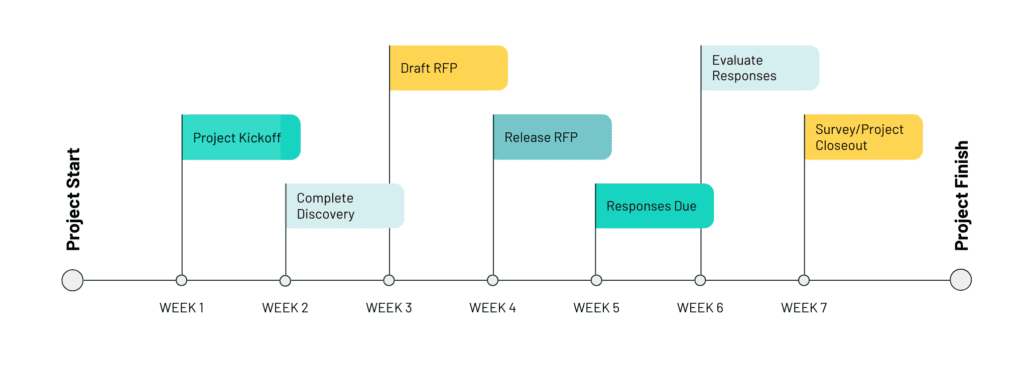
What is a Project Timeline?
Project timelines and schedules usually outline key milestones and deadlines for the project. The project timeline helps track progress and ensure timely completion.
What is Risk Management?
Risk management helps prevent and address issues that could impact project success. A risk management analysis involves identifying, assessing, and mitigating potential risks associated with a proposed project.
What is a Solution Proposal?
A solution proposal outlines the approach, methodology, and benefits of the proposed solution. They often include detailed descriptions of the vendor’s proposed solution to illustrate how they can meet the project’s requirements. Vendors describe how and what they will provide and then chart how they will carry out that solution proposal on a project timeline.
RFP Glossary: A Guide to Deliverables, Products and Services
What are Deliverables?
Deliverables are what the vendor will provide. These are the specific outputs or products that are part of the project. Deliverables are clearly defined results obtained from the Scope of Work and are critical for project success.
What is a Lead Time?
Lead time, also known as delivery time or turnaround time, is the time required for the vendor to deliver the products or complete the services after placing the order. Lead time affects project scheduling and planning.
What is Product Information?
Detailed product information about the vendor’s products or services, including features, benefits, and specifications, helps the organization assess the suitability of the vendor’s offerings.
What Are Quantity Requirements?
Quantity requirements are the specific amount or volume of products or services the organization needs. Quantity requirements help vendors provide accurate cost estimates and ensure the organization receives the necessary resources.
RFP Glossary: A Guide to Bills, Bonds, and Budgets
Contracts and bids have a lot to do with bills and budgets. To win a bid, you’ll often need to make an offer that’s best for the soliciting agency’s bottom line. To do so, you’ll need to learn more about these big-budget bidding and procurement definitions.
What is a Bid Bond?
A Bid Bond is a guarantee provided by the vendor to ensure they will honor their bid if selected. The bid bond protects the organization against the risk of the winning vendor failing to execute the contract.
What is a Budget?
The project’s budget is a financial plan, cost estimate, or price quotation that includes the amount allocated for each component. The budget outlines the expected expenses and helps in financial planning and management.
What are Escrow Bid Documents?
Escrow bid documents are a collection of documented information that bidders use to determine their bid price for a project. This information may include – quantity take-offs, calculations, quotes, notes, and reports. Escrow bid documents are kept separate from other documents and are used in case of disputes. They are often used in tender requirements for public agencies, especially municipalities.
What are Financial Statements?
Financial statements or records are documents that provide a detailed account of the vendor’s financial status and performance. Fiscal documentation and financial reports are used to assess the vendor’s financial stability and capability.
What are Insurance Requirements?
Who doesn’t love insurance forms? That’s right– everyone except the industry of contract bids and proposals. You’ll discover plenty of insurance paperwork, guarantees, and requirements hiding in just about every solicitation packet. They’re a necessary evil, and, at the end of the day, having the required insurance will always help you more than it hinders you. So, do your due diligence and keep your insurance records handy. The specific insurance policies and coverage amount the vendor must maintain for any given project can vary depending on the soliciting entity. Each organization has its own potential risks and liabilities. So, make sure you’re already covered or can get coverage in the amounts required by the solicitation before you bid.
What are Performance Bonds?
A performance bond is a financial guarantee—a surety bond—that a contractor has the resources and ability to complete a project as specified in a contract. The contract bonds are usually provided by a bank or insurance company as a requirement by the project’s owner.
What is a Price Quote?
A price quote is a vendor’s formal statement detailing the cost for the specified products or services. Price quotes provide transparency and help the organization compare cost proposals and pricing details from different vendors.
RFP Glossary: A Guide to Bid Evaluations
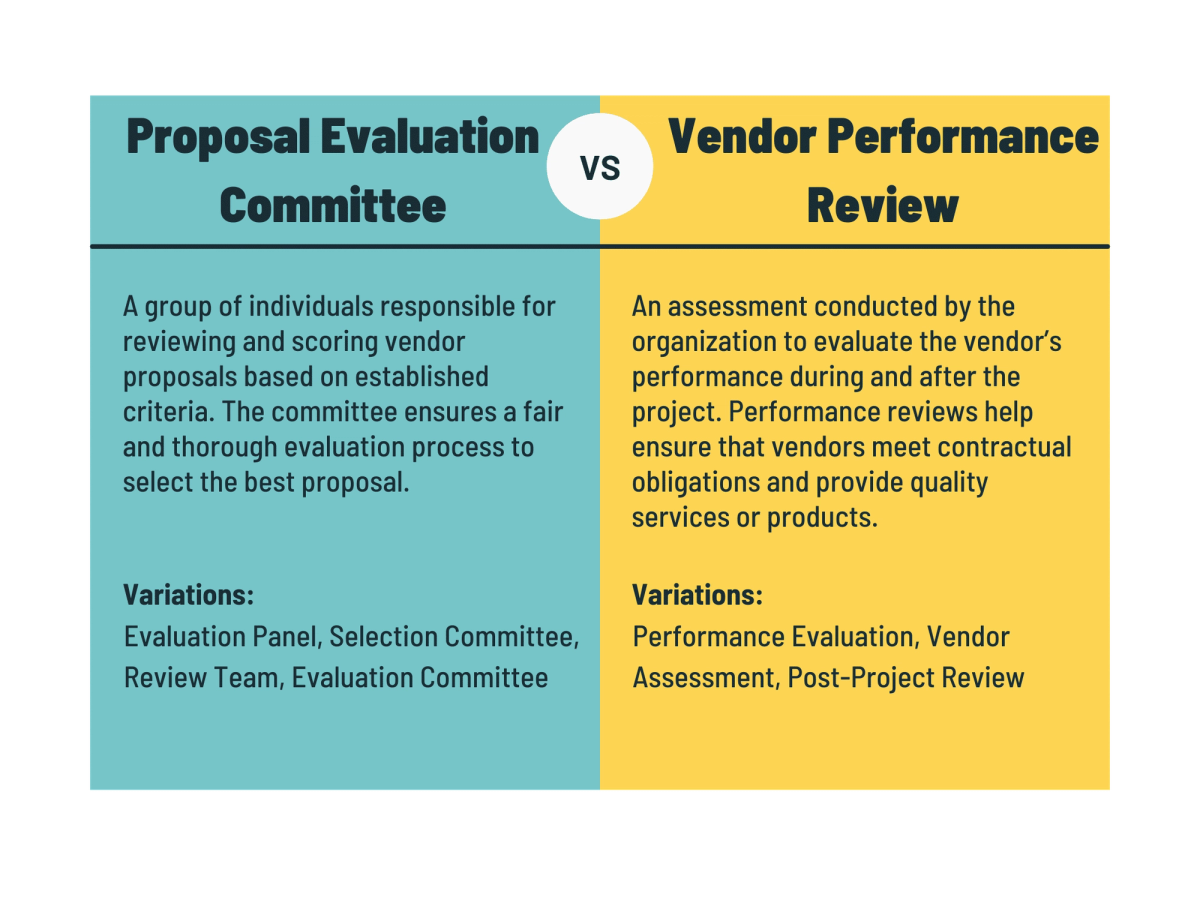
Companies need to make decisions. The goal of each bidder is to win the contract and provide goods and services to the soliciting entity. But how does an entity make the decision to select the vendor? Easy: they create a scoring system to evaluate the proposals.
What is a Debriefing?
A debriefing is a process where the issuing organization provides feedback to vendors on their proposal’s strengths and weaknesses after the award decision. Debriefings help vendors understand how their proposals were evaluated and can improve their future submissions.
What are Performance Metrics?
Performance metrics provide a basis for assessing the quality, value, and impact of a vendor’s work performance. These metrics are often primarily linked to benchmarks that were set by previously established expectations and past performances. These benchmarks can be used as a standard to create and measure a vendor’s overall key performance indicators (KPIs). Performance metrics can also be affected and informed by other relevant datasets; however, the goal is to establish an effective and objective method of measuring overall progress.
What are Evaluation Criteria?
Evaluation criteria are just an easy way to refer to the standards and guidelines that will be used to score the value and merit of each submitted proposal. Establishing evaluation criteria creates a way to objectively assess and compare proposals to help guide the decision-making process. Evaluation criteria can shift and change according to the needs and priorities of the issuing entity. No matter the criteria, no one wants to learn that their proposal didn’t meet an entity’s standards. Luckily, there are ways to improve your proposal’s chances before you submit your document.
What is Market Research?
Leaping into a partnership without setting reasonable expectations beforehand is a recipe for disaster for more than a few reasons. It’s fairly obvious, but performing market research can help organizations recognize and make informed decisions about pertinent information and potential partners throughout the solicitation process. Conducting market research, analyzing market or industry trends and analysis, and studying research findings– ideally, these are all things both vendors and entities should do to build both proposal evaluation criteria and vendor implementation plans.
RFP Glossary: A Guide to Contract Vehicles and Agreements
A guaranteed contract means guaranteed business. Buckle up and get ready to learn about the basics of why contract bidding is so lucrative for vendors and soliciting entities alike.
What is a Contract Vehicle?
When an entity hires a vendor, it expects the vendor to deliver on the work and prices outlined in its RFP. Likewise, once a vendor finishes working for an entity, it expects payment for its services. By using a framework agreement called a Contract Vehicle, both organizations can establish a pre-established agreement or mechanism to procure promises for set payments and services. Contract vehicles streamline the procurement process for future transactions. Common types can include blanket purchase agreements, indefinite-delivery contracts, and master contracts.
| Vehicle | What it is | How work actually flows |
|---|---|---|
| BPA - Blanket Purchase Agreement | A pre-arranged account with agreed terms for repeat purchases | The agency places calls against it as needs arise |
| MSA - Master Service Agreement | A master contract fixing the overall commercial and legal terms | Individual statements of work are signed under it |
| IDIQ - Indefinite Delivery, Indefinite Quantity | A fixed period and a ceiling, with quantities left open | Awardees compete for task orders against each other |
| GSA MAS | A government-wide schedule at pre-negotiated prices | Agencies buy directly or issue task orders to schedule holders |
What are Contract Terms?
When was the last time you read the Terms and Agreements pop-up on a website or software product? Never? Well, next time you skip reading that fine print, you’ll know you’re skipping out on reading the provisions, aka contract terms, that are associated with that product. Contract terms specify the obligations, rights, and responsibilities of all parties concerning an agreement. In the RFP industry, contract terms are the conditions and clauses that define a legal agreement between an entity and a vendor.
What is Subcontracting?
Subcontracting is the practice of outsourcing contracted work to third-party vendors. By hiring external vendors to perform parts of the project, both the primary vendor and the subcontractor form a partnership that expands on the resources and expertise of both organizations.
What is a BPA (Blanket Purchase Agreement)?
A Blanket Purchase Agreement (BPA), also known as a standing offer or a framework agreement, is a simplified method of filling anticipated repetitive needs for supplies or services without a specific end date. BPAs established with vendors streamline recurring purchases without renegotiating contract terms.
What is an MSA (Master Service Agreement)?
A Master Service Agreement (MSA) is a broad contract agreement that establishes the terms and conditions under which future work will be performed. MSAs are sometimes simply called service agreements. They streamline the contracting process for future projects between the same parties. MSAs set the groundwork for future work without detailing specific project requirements.
What is a Service Level Agreement (SLA)?
A formal agreement specifying the level of service expected from the vendor, including performance metrics and penalties for non-compliance. SLAs ensure accountability and quality in service delivery. SLAs are also called Performance Agreements, Service Agreements, and Service Standards.
What is a Confidentiality Agreement?
A legal document ensuring that sensitive information shared during the procurement process remains confidential. This agreement protects proprietary and confidential information from unauthorized disclosure. Confidentiality Agreements are also called Non-Disclosure Agreements (NDAs), Privacy Agreements, and Secrecy Agreements.
What is a Dispute Resolution?
Dispute Resolution refers to the methods and procedures for resolving conflicts and disagreements that may arise during the project. Effective dispute-resolution mechanisms ensure smooth project execution and minimize disruptions.
What is a Termination for Convenience?
A termination for convenience is a clause in a contract that allows the organization to terminate the agreement without cause, typically providing the vendor with compensation for work completed. This clause provides flexibility to the organization to end contracts when necessary. These are also called Convenience Terminations, Contract Terminations, and No-Fault Terminations.
Your next RFP is one search away.Search Bid BananaRFP Glossary: A Guide to Government-Related Contracts
We’ve already written great articles about how to identify government bids and how to respond to government bids. When you want to respond to government bids, you’ll need to become a government contractor. It’s time to learn some new bidding and procurement definitions because you’ll want to take advantage of everything a government contract has to offer your company.
What is a Government Contract?
Government contracts are federal or public contracts through which a government body purchases goods or services from a non-federal entity. They are highly regulated and must comply with procurement law, principally the Federal Acquisition Regulation (FAR). To compete for federal work you must register in SAM.gov, which is free, and you will be issued a Unique Entity ID (UEI) - the 12-character identifier that replaced the DUNS number in April 2022. Our step-by-step guide to registering on SAM.gov covers the process. Common contract types include firm fixed-price, cost-reimbursement and indefinite delivery/indefinite quantity (IDIQ). Small businesses have a structural advantage worth knowing about: the federal government sets a goal of awarding at least 23% of contracting dollars to small businesses each year, plus subgoals for women-owned, service-disabled veteran-owned and HUBZone firms, according to the SBA.
What are Disruption Opportunities (DOs)?
Disruption Opportunities (DOs) focus on small, high-risk, high-reward developmental projects within technical domains. DARPA’s Defense Sciences Office (DSO) announces these niche opportunities. When the DSO issues a notice for a new Disruption effort, interested vendors must act fast. The DO process aims to make an award fewer than 90 days after the solicitation. DOs are also called Rapid Innovation Funds (RIFs) and Small Business Innovation Research (SBIR).
What is FAR (Federal Acquisition Regulation)?
The Federal Acquisition Regulation (FAR) is the principal set of rules governing US federal procurement, providing uniform policies and procedures for acquisition across executive agencies. For defense work, the DFARS (Defense Federal Acquisition Regulation Supplement) applies on top of it. One current caveat: the FAR is being rewritten under the Revolutionary FAR Overhaul launched in 2025. Revised parts have been released and agencies are operating under class deviations while formal notice-and-comment rulemaking proceeds, so check any FAR citation against the text in force rather than an older summary.
What are GSA Schedules (General Services Administration Schedules)?
A GSA Schedule is a long-term government contract that lets federal - and often state and local - buyers purchase from you at pre-negotiated prices without running a fresh competition each time. What was once dozens of separate schedules is now a single Multiple Award Schedule (MAS), also called the Federal Supply Schedule, organized into twelve large categories spanning IT, professional services, facilities, security, transportation and more. You apply directly rather than in response to a specific solicitation. Holding a schedule is a licence to sell rather than a guarantee of sales: compliance obligations are ongoing and you still have to market to agencies and compete for task orders.
What is an IDIQ (Indefinite Delivery, Indefinite Quantity)?
An Indefinite Delivery, Indefinite Quantity (IDIQ) contract provides an indefinite quantity of supplies or services during a fixed period. IDIQ contracts are flexible and allow the organization to place orders as needed up to a specified maximum amount. They are also known as Task Order Contracts or Flexible Quantity Contracts as they do not specify exact quantities at the time of award.
See It in a Real Bid
Definitions stick once you meet them in context. Open a live solicitation, find the scope of work, the evaluation criteria and the submission requirements, and this glossary stops being a word list. Search open bids on Bid Banana.
Frequently asked questions
What is best value procurement?▼
Best value procurement is an award method that weighs factors beyond price - technical approach, experience, quality and past performance - rather than simply taking the lowest bid. The issuer runs a more comprehensive evaluation and may pay more for a proposal that reduces risk or delivers better outcomes, which is why a higher-priced bidder can still win.
What is the difference between a BPA, an MSA and an IDIQ contract?▼
A Blanket Purchase Agreement is a pre-arranged account the buyer places repeat orders against. A Master Service Agreement fixes overall commercial and legal terms, with individual statements of work signed underneath. An IDIQ sets a fixed period and a ceiling but leaves quantities open, and awardees compete for task orders against one another.
What is sole source bidding?▼
Sole source bidding is awarding a contract to a single vendor without competition, justified when only that vendor can meet the requirement - through unique capability, proprietary technology or urgency. It is uncommon in public procurement because agencies must document the justification, and the decision can be challenged by other vendors.
What is a termination for convenience clause?▼
A termination for convenience clause lets the buyer end a contract without the vendor having done anything wrong. It is standard in government contracting. The vendor is typically reimbursed for work performed and reasonable settlement costs but not for anticipated profit on the cancelled portion, so it is worth reading before you price long-term work.
What is a bid bond and when do you need one?▼
A bid bond is a surety guarantee that you will honor your bid and enter the contract if selected. Public construction and larger service solicitations often require one, typically as a percentage of the bid value. Because it is issued by a surety rather than by you, it takes lead time - identify the requirement the day you decide to bid.